Owner-builder coaching from a working Texas builder. You run the project and hire the trades. I show you how to do it safely, to code, and with a finish that looks like a custom high-end build.
A full-service pool company hires the same kinds of trades you can: excavators, steel crews, plumbers, licensed electricians, shotcrete crews, tile setters, and plasterers. On top of those costs it adds sales, showrooms, project management, overhead, and profit. When you step into the general contractor's role, you take on that coordination and keep most of the difference.
My advice is to reinvest a share of it: better coping stone, a richer interior finish, color LED lighting, a sheer descent or scuppers, a variable-speed pump, and automation. That's how an owner-built pool ends up looking like a custom resort job without the custom-resort price.
Some states regulate who may supervise a project for pay. California's licensing board, for example, says consultants who bid on or supervise projects must be licensed. The Pool Build Coach provides education, guidance, and coordination support. You remain the owner-builder.
Every decision on your build runs through three rules, always in this order.
Barriers, entrapment protection, bonding, trench safety, chemical handling, and drowning prevention. If a choice makes the pool cheaper or prettier but less safe, the answer is no.
Built to code, inspected at every stage, engineered for your soil, plumbed and wired to run efficiently for decades.
A high-end look comes from smart choices, not a huge budget: LED lighting, moving water, quality stone at the edge, and a finish color chosen on purpose.
One is to pay a full markup for a turnkey builder. The other is to wing it and hope the fence, drains, and wiring turn out right. The first costs too much. The second is how people get hurt.
As an owner-builder, you own the property and run the job: you pull the permit where your jurisdiction allows, hire and schedule each trade, approve materials, call for inspections, and pay against completed, inspected milestones. You don't have to swing a shovel, but you do carry the responsibility.
HOA, survey, setbacks, easements, 811, design, engineering, permits.
Verify licenses and insurance, compare written bids, sign milestone contracts.
One trade at a time. Nothing gets covered until it's inspected.
Final inspection, independent punch list, lien waivers, safety talk.
Texas has no state pool contractor license, so city and county permits, inspections, and barrier ordinances are what matter. Pool electrical work should go to a licensed electrician. TDLR says so for new pool electrical, and cities can require it even where a homeowner exemption exists.
Other states generally allow owner-builders on an owner-occupied home, with conditions. Common ones are living in the home, no quick resale (often one year; South Carolina uses two), a signed affidavit or disclosure, and licensed trades for anything you hire out. Some states license pool contractors specifically, such as California's C-53 and Florida's pool/spa contractor licenses, and anyone you hire there must hold one.
No matter who builds, the pool still needs a permit and inspections, a code-compliant barrier, NEC Article 680 electrical, entrapment protection, and HOA approval where required.
This is general guidance, not legal advice. Verify with your local building department and your state licensing board.
Then call your city or county building department and ask who may pull each permit for a residential pool at your address.
Every stage has a local inspection gate and a recommended independent third-party check. Videos are from manufacturers, industry bodies, and established builders, embedded from YouTube with credit.
Stake per plan, re-check setbacks, confirm the 811 ticket, set elevations. Fence the hole the day it opens. Subs follow OSHA trench protection at 5 feet and deeper.
Inspect: layout/excavation where required · engineer verifies dimensions and soils
Rebar exactly per engineering, supported off the soil, extra steel at the bond beam and steps, and bonded by the electrician.
Inspect: pre-gunite (steel + bonding) · engineer or independent inspector walk-through
Low-velocity pipe sizing, separate feature lines, entrapment protection by design (listed covers, dual drains or no main drain), pressure test with gauges left on.
Inspect: rough plumbing and pressure test · verify and photograph the gauge yourself
A licensed electrician, NEC Article 680: equipotential bonding of steel, fittings, equipment, and perimeter; GFCI protection; listed underwater lighting; a labeled emergency shutoff.
Inspect: bonding before cover-up, rough and final electrical · optional second master-electrician review
Engineered mix and thickness, qualified nozzleman, rebound removed, no unplanned cold joints, and a disciplined cure.
Inspect: shell where required · review mix tickets, thickness, and visual quality
Pool-rated waterline tile and setting materials, slip-resistant coping that suits your sanitizer, and a sealed coping-to-deck expansion joint.
Inspect: independent check of joint and finish quality
Compacted base, slope away from pool and house, perimeter bonding inspected before the pour, slip-resistant and heat-conscious finish.
Inspect: deck/perimeter bonding pre-pour · independent check of slope and drainage
Plaster, quartz, pebble, or tile, chosen from real pools for the water color you want. Apply in one continuous operation and start filling right away.
Inspect: barrier approval before fill where required · document the finished surface
Variable-speed pump, generously sized filter, gas or heat-pump heater, sanitizer, and automation, with service clearances, GFCI protection, and bonding.
Inspect: electrical and gas finals · verify GFCI, bonding, heater clearances
Barrier in place before water. Follow the finisher's written startup procedure, brush, balance gradually, and handle every chemical by the label. Never mix chemicals.
Inspect: final inspection before use · daily startup water log
Circulation, cleaning, chemistry. Check gates and drain covers daily, test water regularly, and have a qualified electrician inspect pool electrical periodically.
Inspect: yearly electrical safety check · periodic barrier check
Third-party videos are embedded from their owners' YouTube channels. Including them doesn't imply endorsement or affiliation. Where a video differs from your local code or a manufacturer's instructions, follow the code and the instructions.
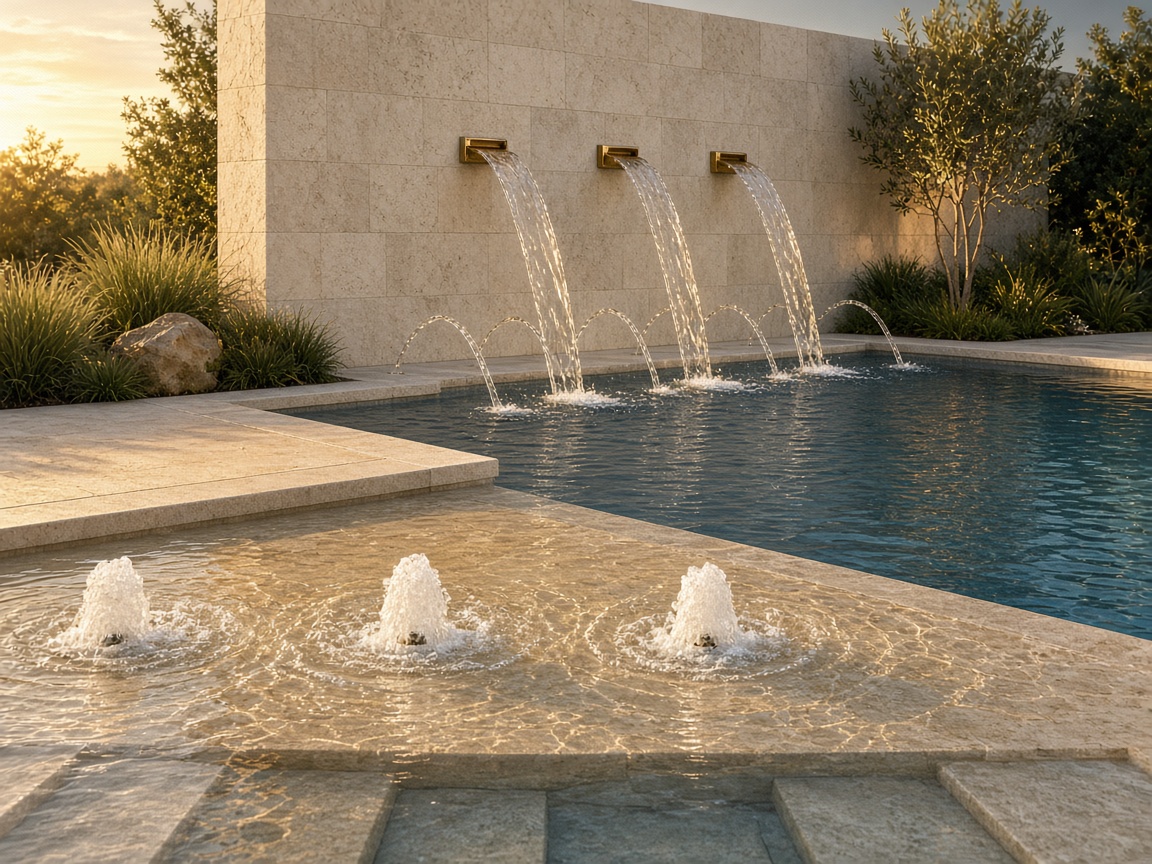
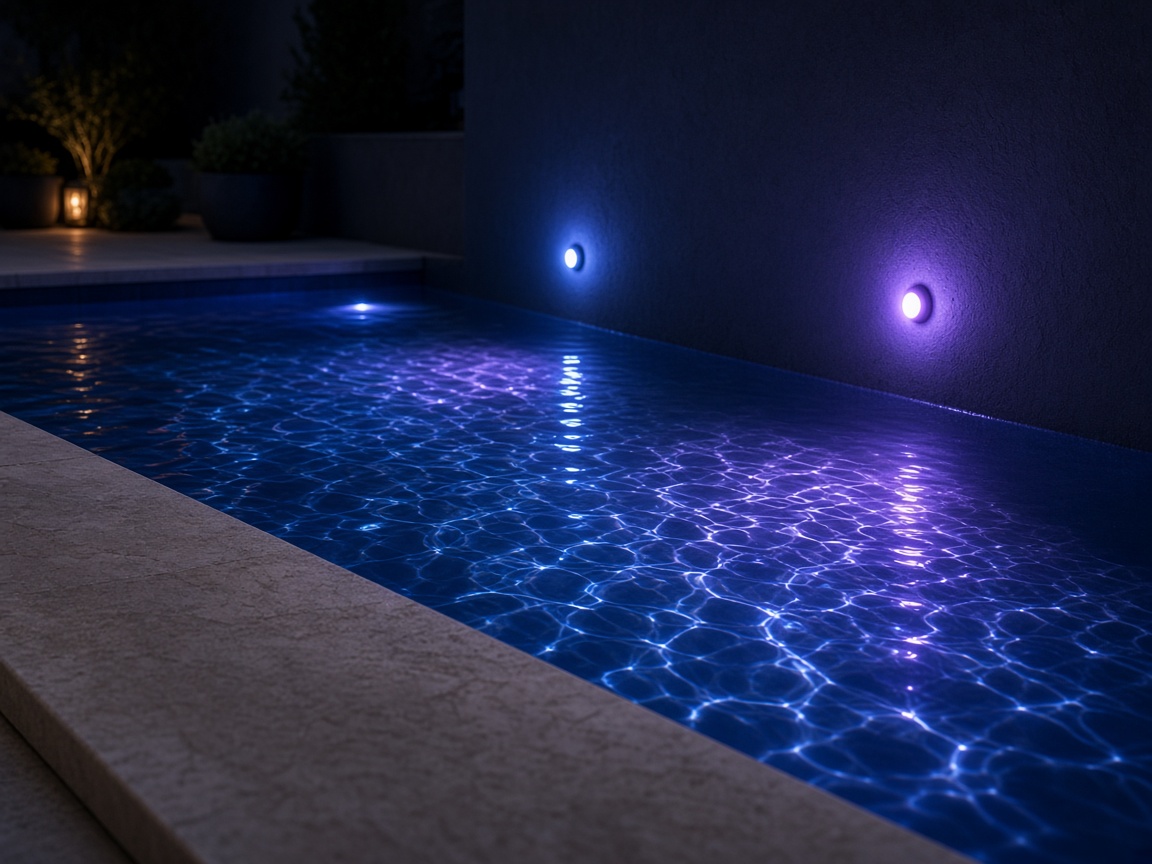
Walk a high-end pool at dusk and you'll see it's rarely the size that impresses. It's a few well-placed color LED lights, the sound of a sheer descent or a pair of scuppers, deck jets arcing over the water, bubblers on the tanning ledge, and a stone edge that glows. Plan these before the shell is shot and they cost far less than people expect.
#ad · I may earn a commission if you buy through these links, at no extra cost to you. Pool lighting must be listed for pool use and installed by a licensed electrician per NEC Article 680.
A cradle-to-grave playbook, in the order the work actually happens. It's included in the Coaching Program.
"Drowning deaths are preventable and strong protections around pools and spas are critical to saving lives."Peter A. Feldman, Acting Chairman, CPSC · Source
"In a matter of seconds, workers can be crushed and buried under thousands of pounds of soil and rocks in an unsafe trench."Doug Parker, Assistant Secretary, OSHA · Source
"Chemicals are added to the water in pools to stop germs from spreading. But they need to be handled and stored safely to avoid serious injuries."Michele Hlavsa, CDC Healthy Swimming Program · Source
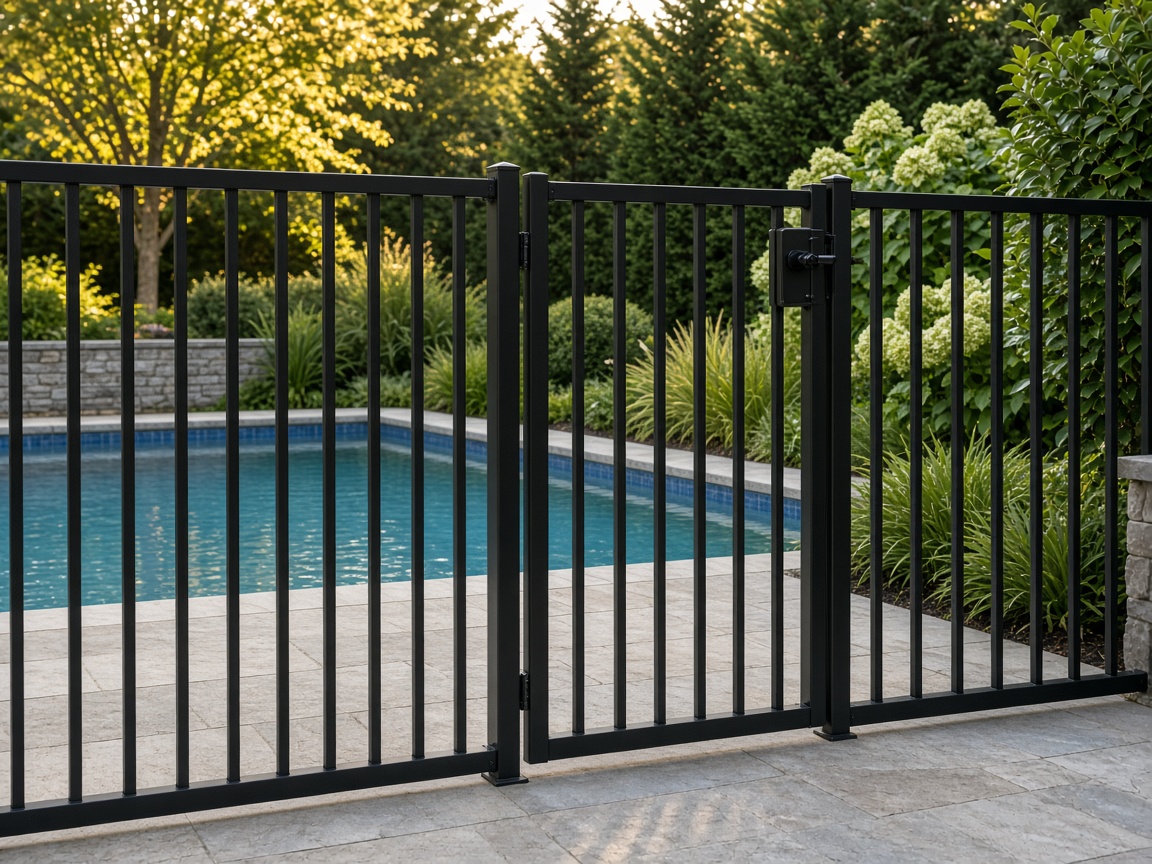
CPSC's Pool Safely campaign recommends layering protections: a barrier with self-closing, self-latching gates, door alarms, anti-entrapment drain covers, constant adult supervision, swimming lessons, and CPR. Build every layer into your plan, not your punch list.
Every program is education, guidance, and coordination support. You remain the owner-builder. Permits, engineering, and inspections are decided by your jurisdiction and your licensed professionals.
Just the materials, at your own pace. Start whenever you're ready.
Tap an item for details
That's all this tier includes: no coaching calls, no personal consulting, no live sessions, and no design work.
Want me in your corner later? You can step up to the Owner-Builder Coaching Program anytime.
Get the Self-Guided SetA six-step checklist to work through before you call a single sub: owner-builder rules, paperwork, day-one safety decisions, budget structure, team, and the look.
We'll email the checklist and occasional build tips. Unsubscribe anytime.
One-on-one sessions on your project.
Tap an item for details
Add Personal ConsultingMy complete system for running your own pool build, from first sketch to final inspection, using the Pool Build Coach Doctrine.
Tap an item for details
Join the Coaching ProgramA whole-backyard design that ties the pool into your outdoor living space.
Tap an item for details
Add the Landscape PackageFor homeowners who want a clear, buildable design before anything else.
Tap an item for details
Start Design EssentialsEverything in Design Essentials, carried toward permit submission.
Tap an item for details
Start Design + PlansPlans and engineering are prepared for submission. Approval is decided by your jurisdiction. Licensed engineering is provided by the licensed engineer you engage.
If you're organized, available to make decisions, and willing to follow the sequence, yes. You're not doing the trade work yourself. You're hiring licensed trades, scheduling them, and making sure each stage passes inspection before the next one starts.
It depends on where you live. Texas has no state pool contractor license, so local permits and inspections control, and pool electrical should go to a licensed electrician. Many other states allow owner-builders on an owner-occupied home with conditions, such as living there, no quick resale, an affidavit, and licensed trades for hired work. Some, like California (C-53) and Florida (pool/spa), license pool contractors specifically. Check your state licensing board and call your local building department. This is guidance, not legal advice.
In my experience, owner-builders typically save about 20–30% compared with hiring a general pool contractor for the whole job. That's my professional estimate, not a guarantee. It varies by project, market, the subs you hire, and how much you take on.
No, and you shouldn't. Pool electrical and bonding belong to a licensed electrician working under a permit and inspected per NEC Article 680 and your local code.
The guidance is built around the ISPSC, ANSI/APSP/ICC-5, NEC Article 680, the VGB Act's drain-cover safety principles, OSHA excavation rules, and CPSC Pool Safely's layers of protection. Your locally adopted code editions always govern.
No. I provide guidance and coordination. Your jurisdiction approves permits and inspections, and a licensed engineer is responsible for engineering.
Plan LED lighting and water features before the shell is shot, spend on the coping and waterline tile, and choose your interior color on purpose. Then put part of your owner-builder savings into those upgrades.
The Pool Build Coach provides general educational information and coaching, not legal, engineering, or electrical advice. Always check your local codes, permits, HOA rules, and state licensing requirements before you build. Electrical, gas, and other regulated work must be done by appropriately licensed trades where required. Install a code-compliant safety barrier and approved entrapment protection before the pool holds water, and never leave children unsupervised around water. Savings figures are estimates, not guarantees.
Get the Starter Checklist free, or join the Owner-Builder Coaching Program and have a builder in your corner from first sketch to first swim.
Get the Free Checklist Join the Coaching ProgramFull sources, additional quotes, and the video list are in the guide's Appendix E.
Reach Trent here. Tell me a little about your yard and your project, and I'll point you to the right option, even if that's just the free checklist.
hoganpoolacademy@gmail.com · by Trent Hogan